

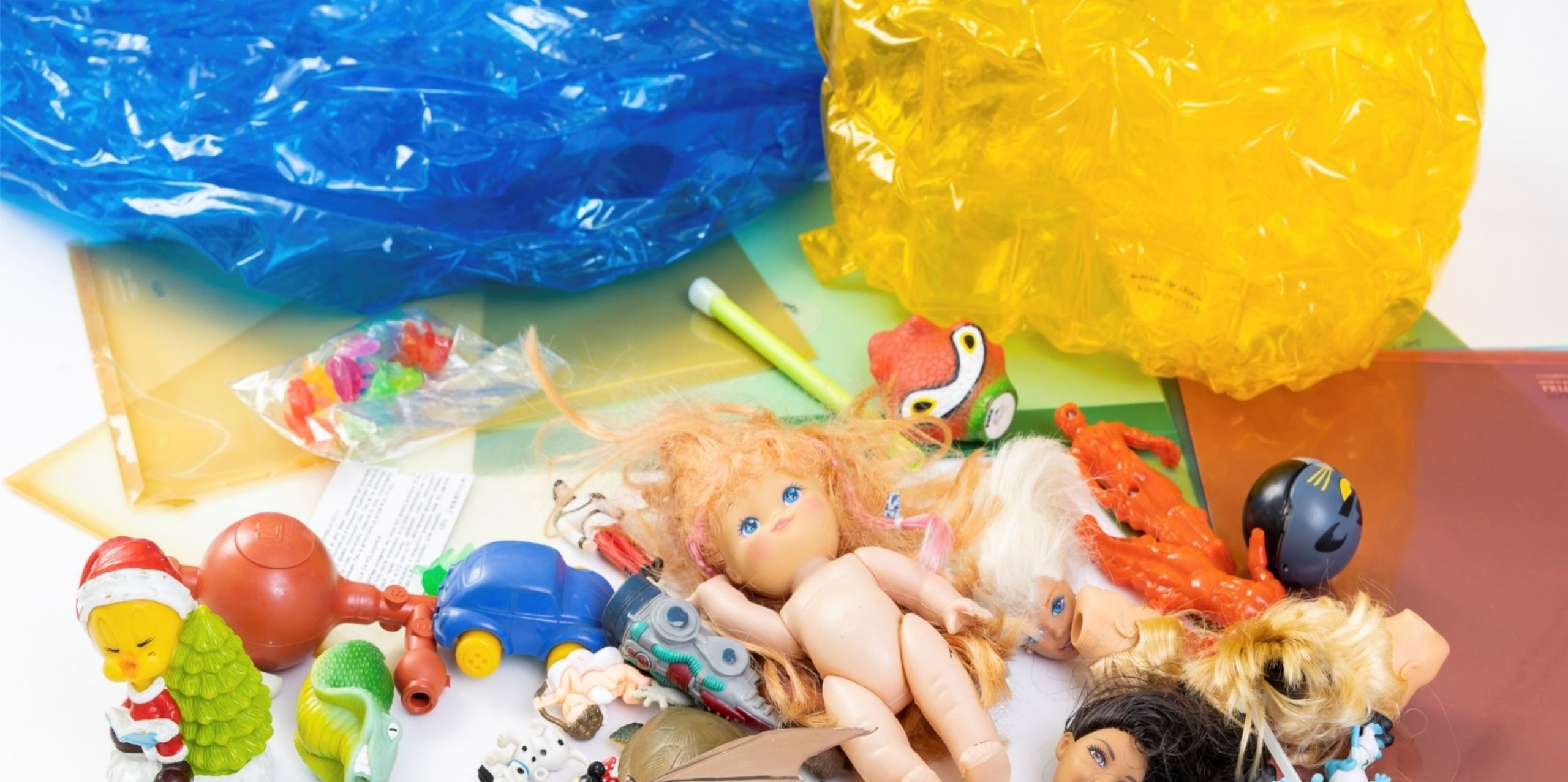
A new study by HSLL researchers, published in npj Heritage Science, sheds new light on the acidic emissions produced during the degradation of poly(vinyl chloride) (PVC), a material widely found in heritage collections. In the paper titled “Poly(vinyl chloride) degradation: Identification of acidic degradation products, their emission rates and implications for heritage collections”, Špela Pok, [...]
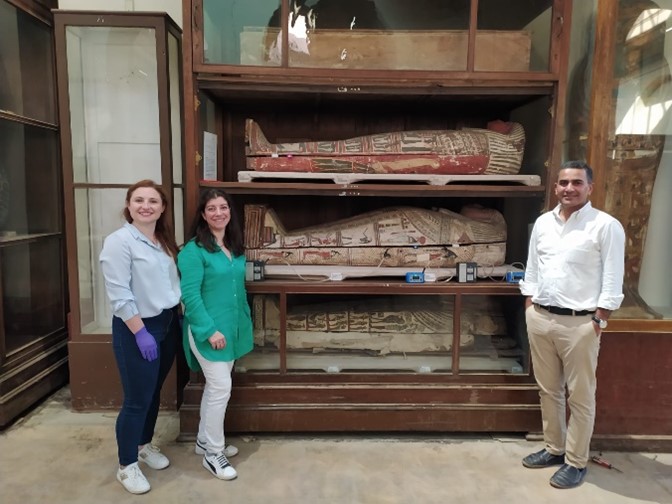
Ancient Egyptian mummified bodies smell ‘woody,’ ‘spicy’ and ‘sweet’, finds a new study led by researchers from the University of Ljubljana, revealing new details about mumification practices. The research, published in Journal of the American Chemical Society, is the first time that the smells of mummified bodies have been systematically studied combining a mix of [...]
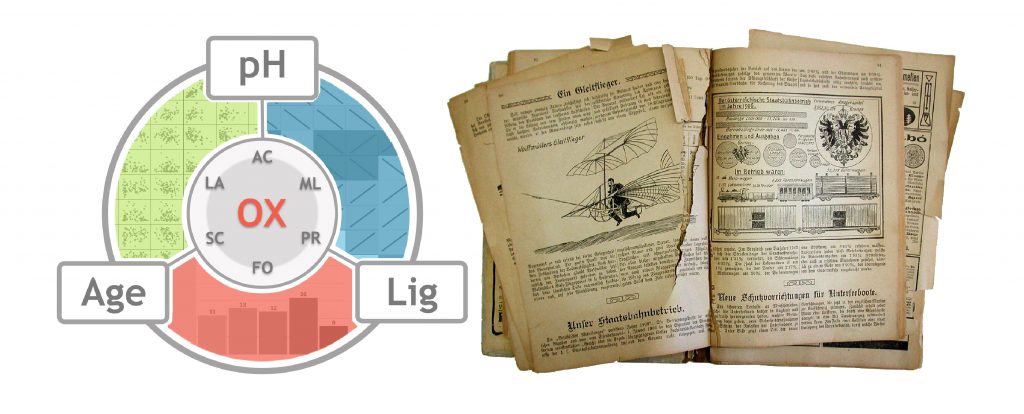
HSLL researchers have recently demonstrated that oxalic acid is the main contributor to the increased acidity in paper during natural degradation. In addition, they demonstrated that lignin, a natural component of historic paper particularly after 1850, is a main source of it. This finding is of key significance to the conservation of libraries and archives [...]

Večna pot 113, 1000 Ljubljana, Slovenia
For privacy reasons Google Maps needs your permission to be loaded. For more details, please see our Privacy policy.
FOLLOW US
Content
Other links
Večna pot 113, 1000 Ljubljana, Slovenia
For privacy reasons Google Maps needs your permission to be loaded. For more details, please see our Privacy policy.
FOLLOW US